What is Dysgraphia?
Dysgraphia is a specific learning difficulty that affects writing and written expression.
It can impact handwriting, spelling, letter formation, written organisation and a child’s ability to effectively communicate their ideas on paper.
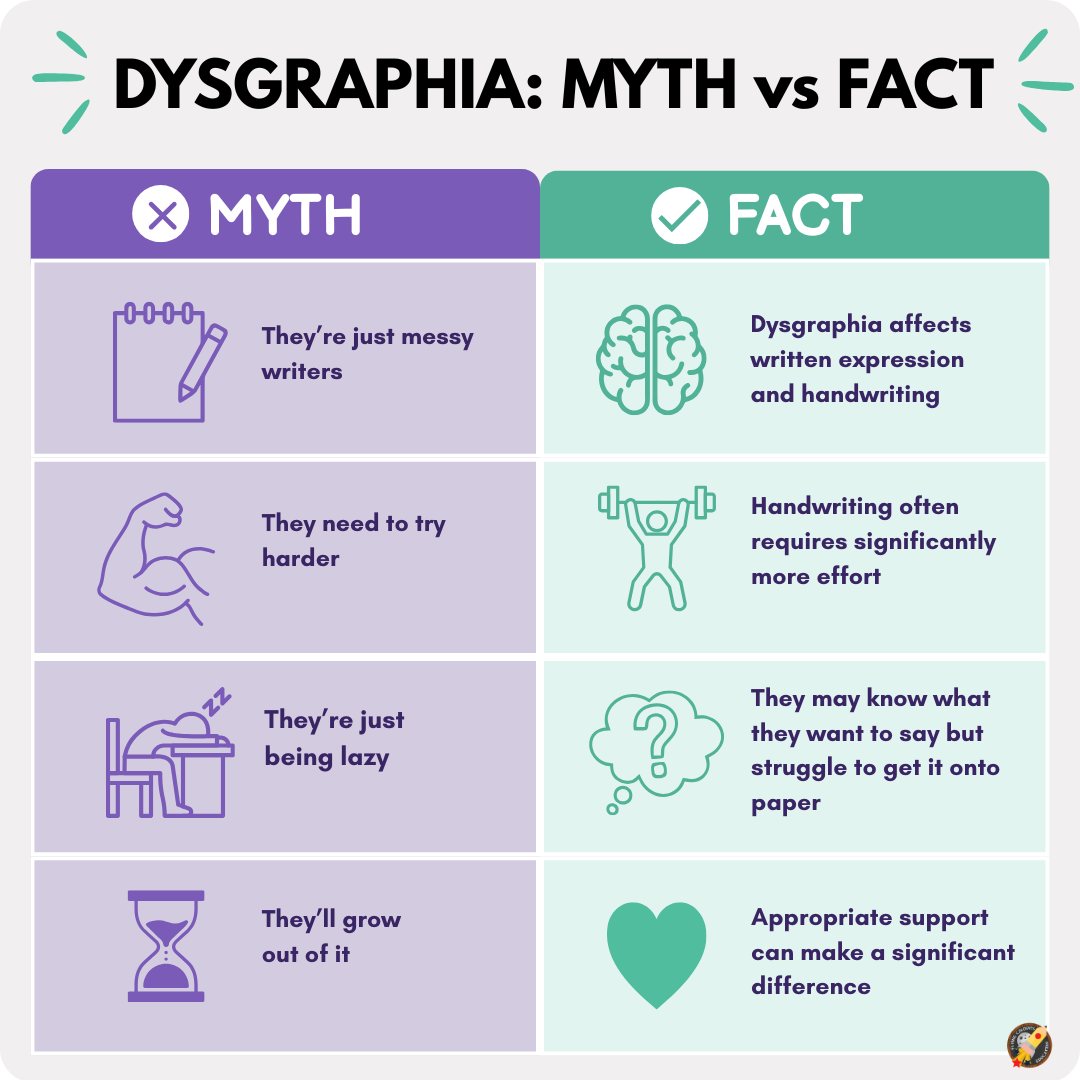
Children with dysgraphia often have excellent ideas and understanding but may find it difficult to translate those ideas into written work. Writing tasks can require significant effort and may be slower, more frustrating and more mentally demanding than expected for their age.
Dysgraphia is not caused by laziness, lack of intelligence or a lack of effort. Rather, it affects the processes involved in producing written language and can make tasks such as handwriting, note-taking, spelling and written assignments particularly challenging.
With the right support, accommodations and evidence-based intervention, children with dysgraphia can develop confidence, improve their written communication skills and experience success in learning.
Common Signs of Dysgraphia
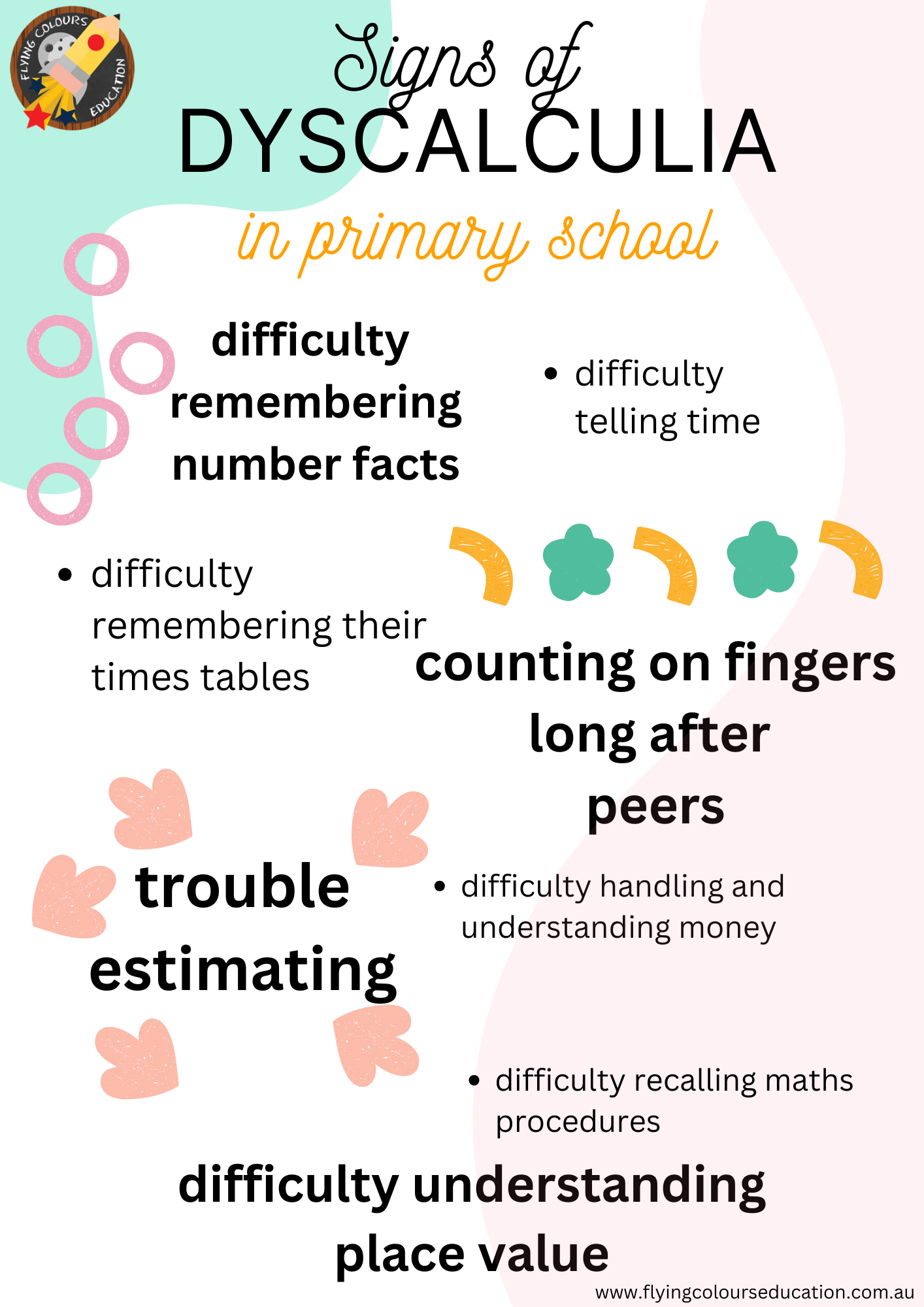
Dysgraphia Looks Different for Every Child

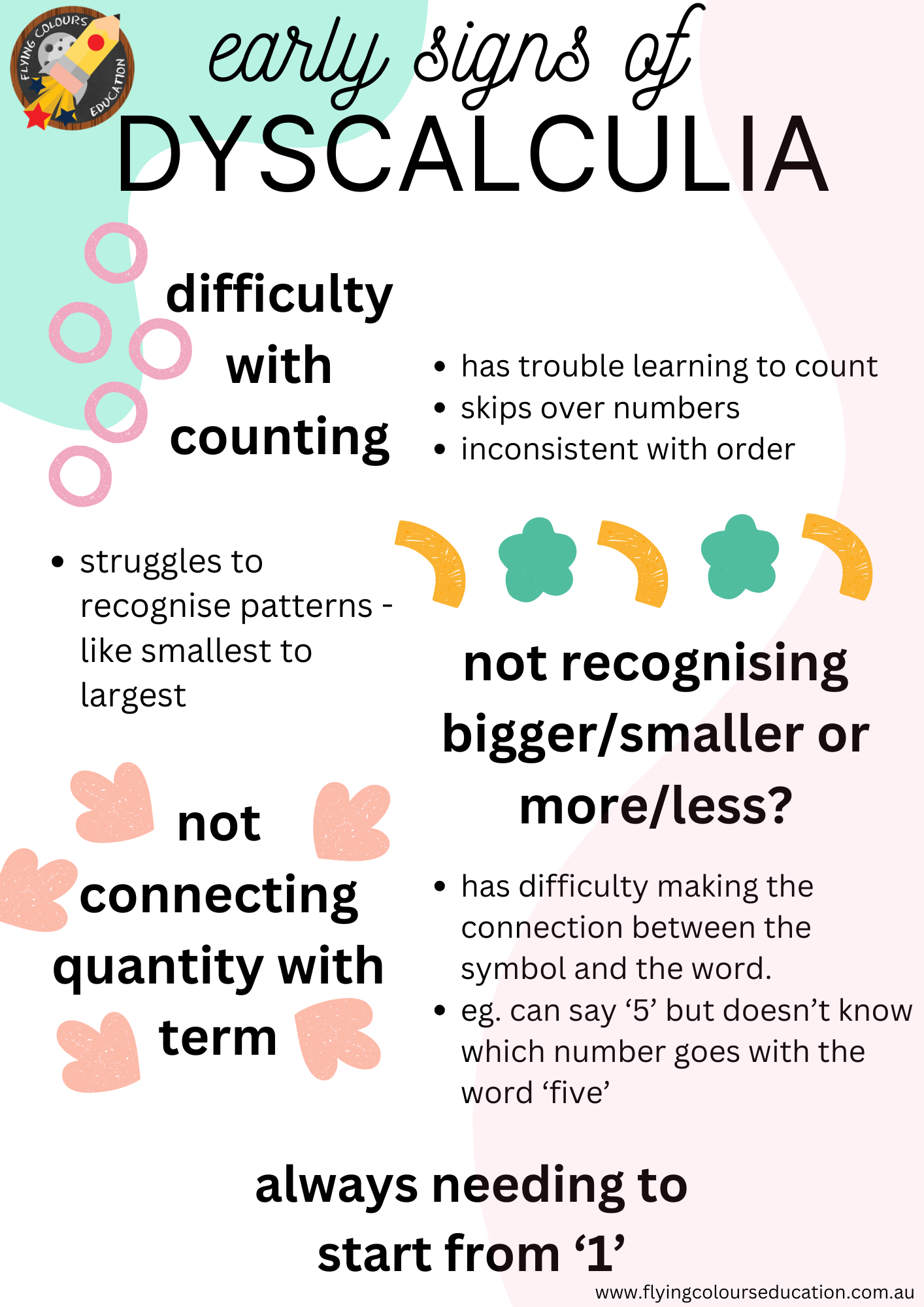
No two children with dyscalculia are exactly alike.
Some children experience significant difficulties with handwriting and letter formation, while others may write neatly but struggle to organise and express their ideas in writing. Some children find the physical act of writing challenging, while others experience difficulties planning, structuring and completing written tasks.
The impact of dysgraphia can vary depending on a child’s strengths, learning profile, age and the demands placed upon them at school.
This is why understanding each child’s unique challenges and strengths is essential when providing effective support.
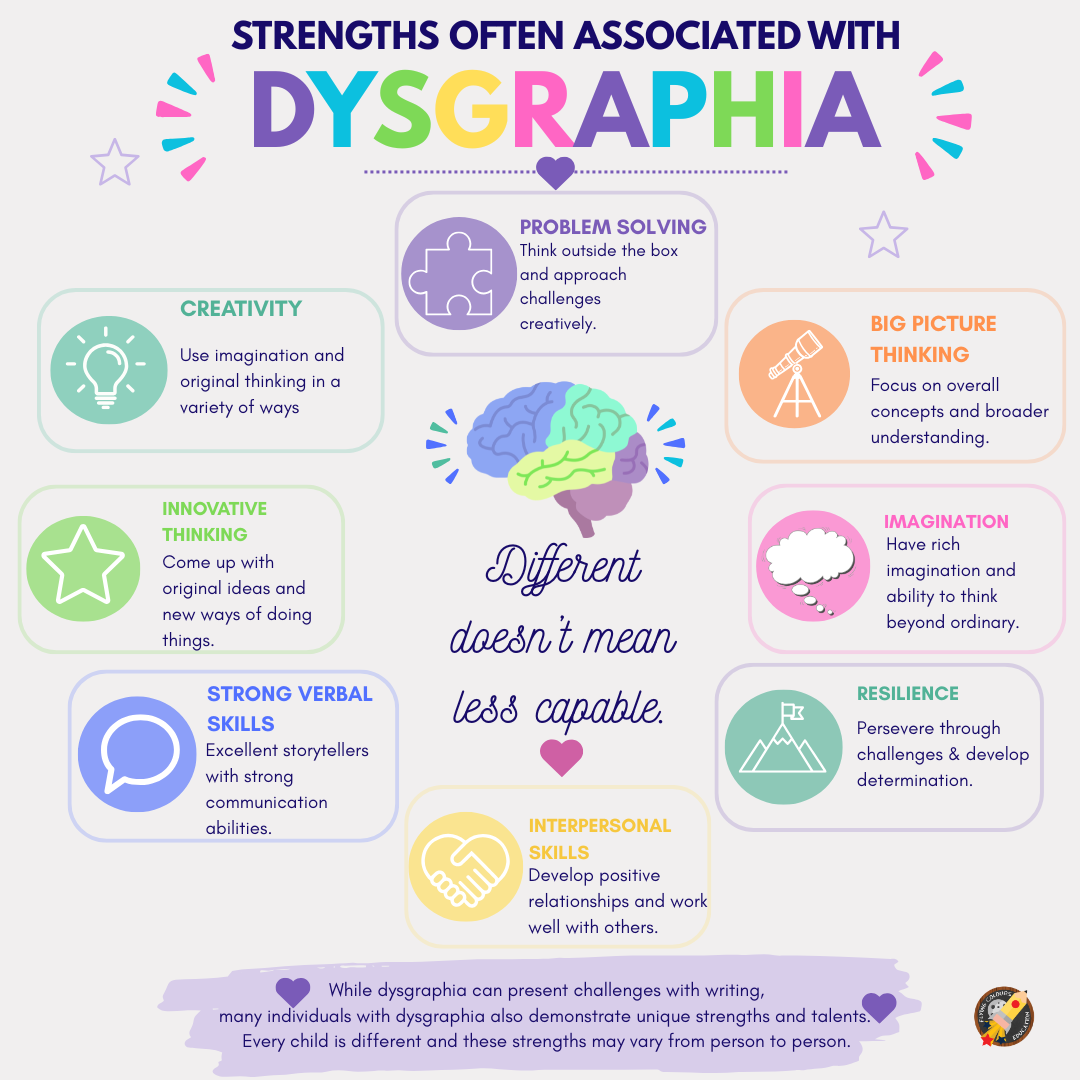
Dysgraphia Comes with Strengths Too
While dysgraphia can present challenges with handwriting and written expression, it does not define a child’s intelligence, creativity or potential.
Many children with dysgraphia have rich imaginations, strong verbal skills, creative thinking abilities and valuable strengths that may not always be reflected in their written work. In many cases, what a child can say and explain verbally is far more advanced than what they are able to produce on paper.
Every child is unique and not every child with dysgraphia will demonstrate the same strengths. However, when children are supported to understand how they learn best and are provided with appropriate strategies and intervention, they can build confidence, develop effective skills and experience success both at school and beyond.
At Flying Colours Education, we believe that dysgraphia is just one part of a child’s learning profile. By recognising both the challenges and strengths associated with dysgraphia, we can help children develop confidence, resilience and a positive belief in their ability to succeed.
How Flying Colours Can Help
At Flying Colours Education, we use evidence-based, multisensory teaching approaches designed to support children with dysgraphia and other literacy difficulties. Through ongoing assessment, explicit instruction and targeted intervention, we help students build the skills, confidence and strategies they need to experience success in writing.