What is ADHD?
Attention Deficit/Hyperactivity Disorder (ADHD) is a neurodevelopmental condition that affects the way the brain regulates attention, impulse control, activity levels and executive functioning skills.
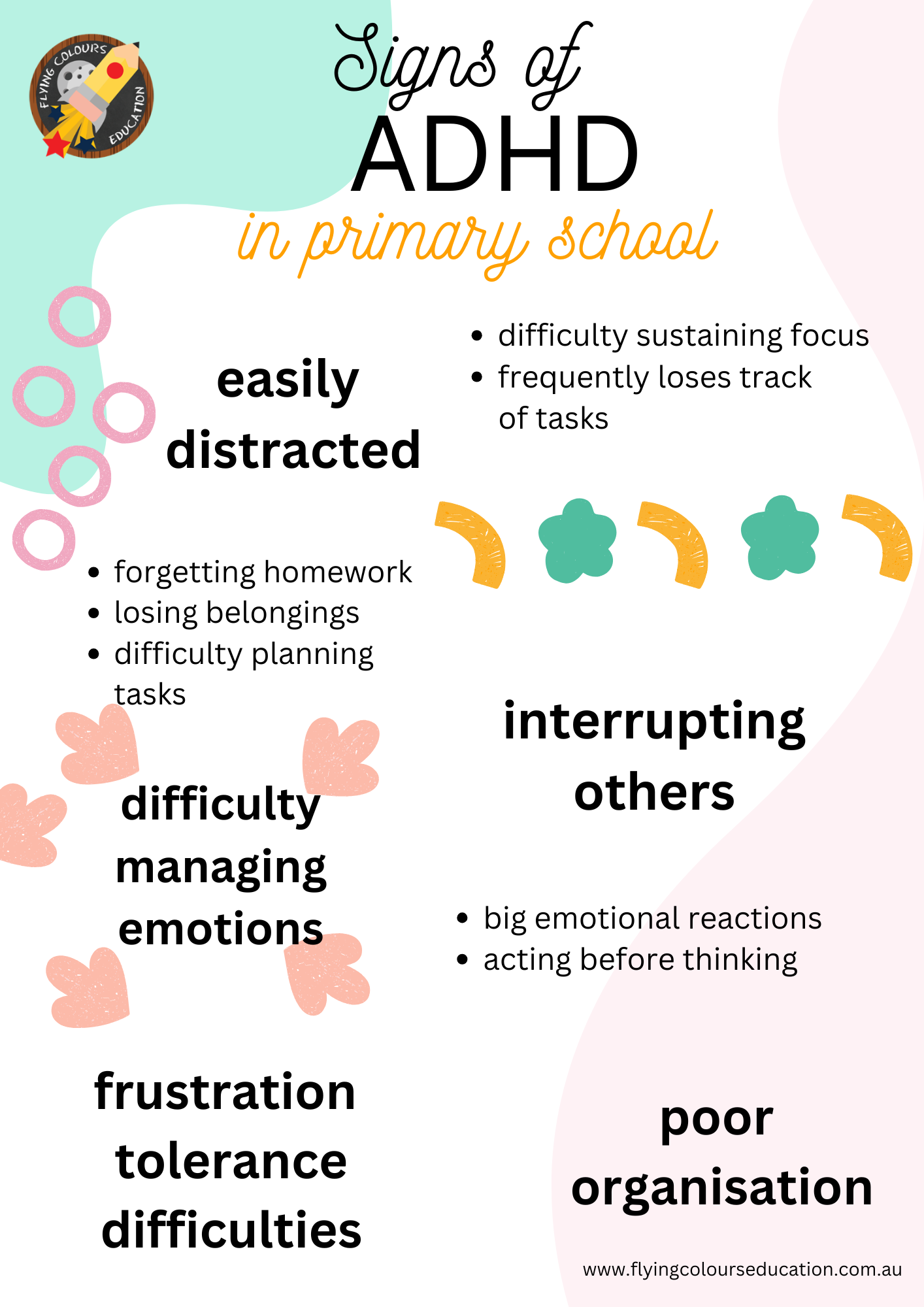
Children with ADHD may experience difficulties with focus, organisation, planning, working memory, emotional regulation and self-control. These challenges can impact learning, relationships, daily routines and confidence both at school and at home.
ADHD is not caused by poor parenting, laziness, a lack of motivation or a lack of intelligence. Rather, it reflects differences in the way the brain develops and functions.
While ADHD can present challenges, it also comes with many strengths. With understanding, appropriate support and evidence-based strategies, children with ADHD can thrive and achieve success in all areas of life.
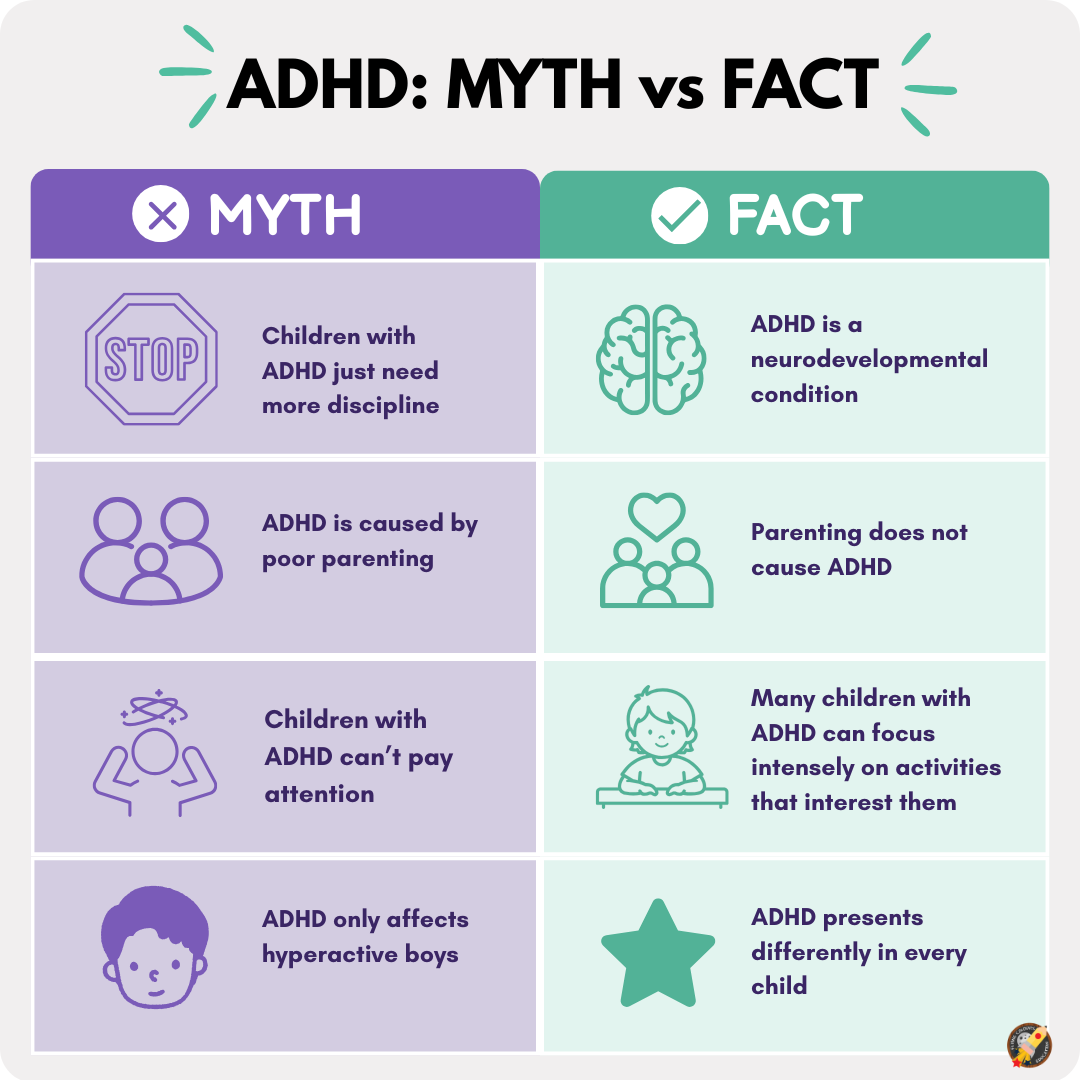
Common Signs of ADHD
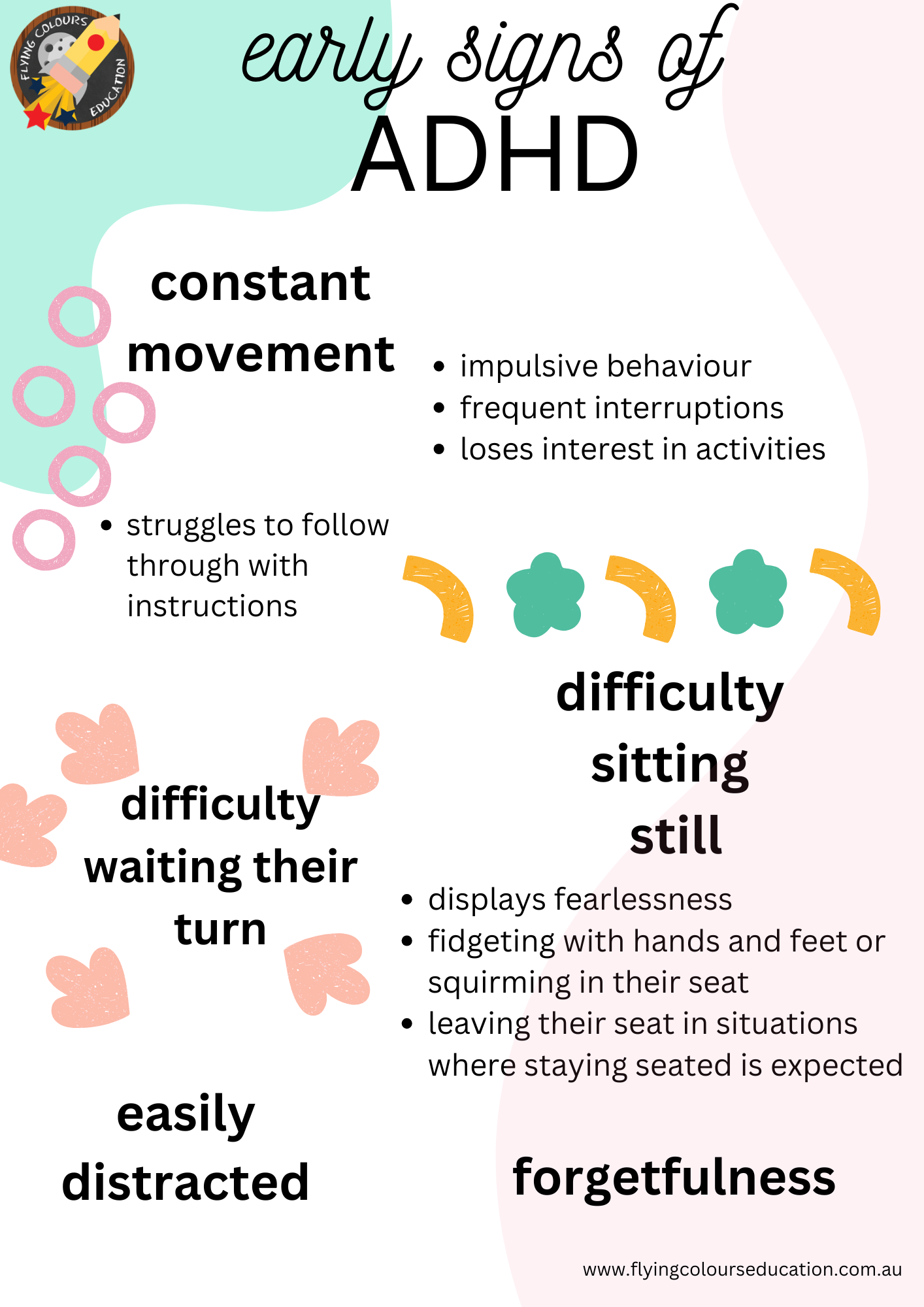
ADHD Looks Different for Every Child

No two children with ADHD are exactly alike.
Some children are highly active and impulsive, while others may appear quiet, daydreamy or easily distracted. Some experience difficulties primarily with attention and organisation, while others struggle more with emotional regulation, impulse control or hyperactivity.
ADHD can present differently across ages, environments and individuals, which is why it is often misunderstood or overlooked.
Understanding a child’s unique strengths and challenges is essential when providing effective support and helping them reach their full potential.
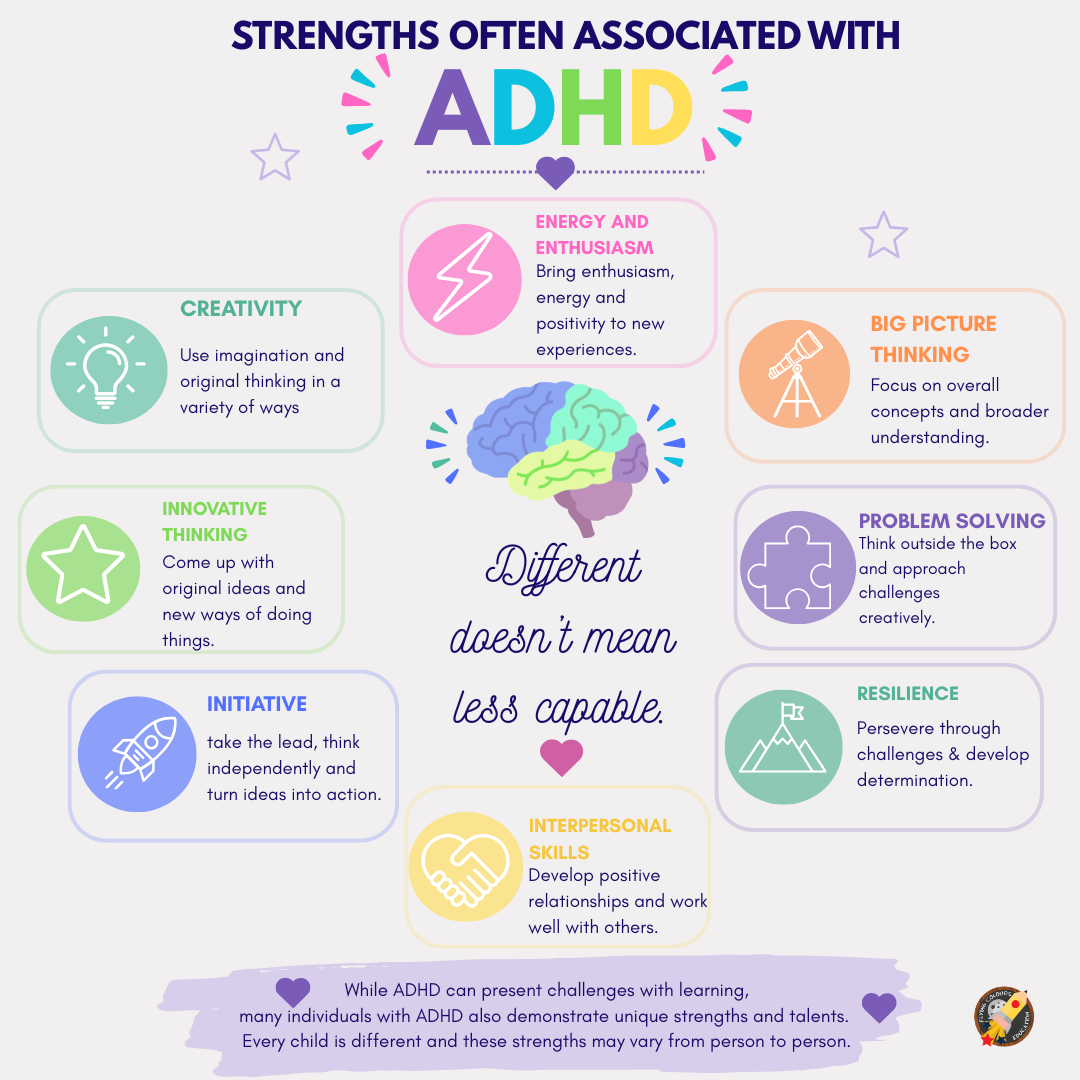
ADHD Comes with Strengths Too
While ADHD can present challenges with attention, organisation, and self-regulation, it does not define a child’s intelligence, abilities, or future success.
Many children and adults with ADHD demonstrate strengths such as creativity, curiosity, energy, innovation, problem solving, and big-picture thinking. They often bring enthusiasm, spontaneity, and unique perspectives to the world around them.
Every child is different, and not every child with ADHD will demonstrate the same strengths. However, when children are supported to understand how their brain works and are provided with appropriate strategies and support, they can develop confidence, resilience, and a strong sense of self-belief.
At Flying Colours Education, we believe ADHD is just one part of a child’s unique profile. By recognising both the challenges and strengths associated with ADHD, we can help children build on their abilities and thrive in learning, relationships, and everyday life.
How Flying Colours Can Help
At Flying Colours Education, we use evidence-based, multisensory teaching approaches designed to support children with ADHD and other learning difficulties. Through ongoing assessment, explicit instruction and targeted intervention, we help students build the skills, confidence and strategies they need to experience success in learning.