What is Dyslexia?
Dyslexia is a specific learning difficulty that primarily affects the development of reading, spelling and written language skills.
Children with dyslexia are often bright, capable and creative learners, however they may experience difficulties learning to read, spell, and recognise the sounds within words. These challenges occur despite appropriate teaching opportunities and are not related to intelligence, motivation or effort.
With the right support and evidence-based teaching approaches, children with dyslexia can become successful, confident learners and develop effective strategies to support their learning.
Dyslexia Is Not an Eye Problem
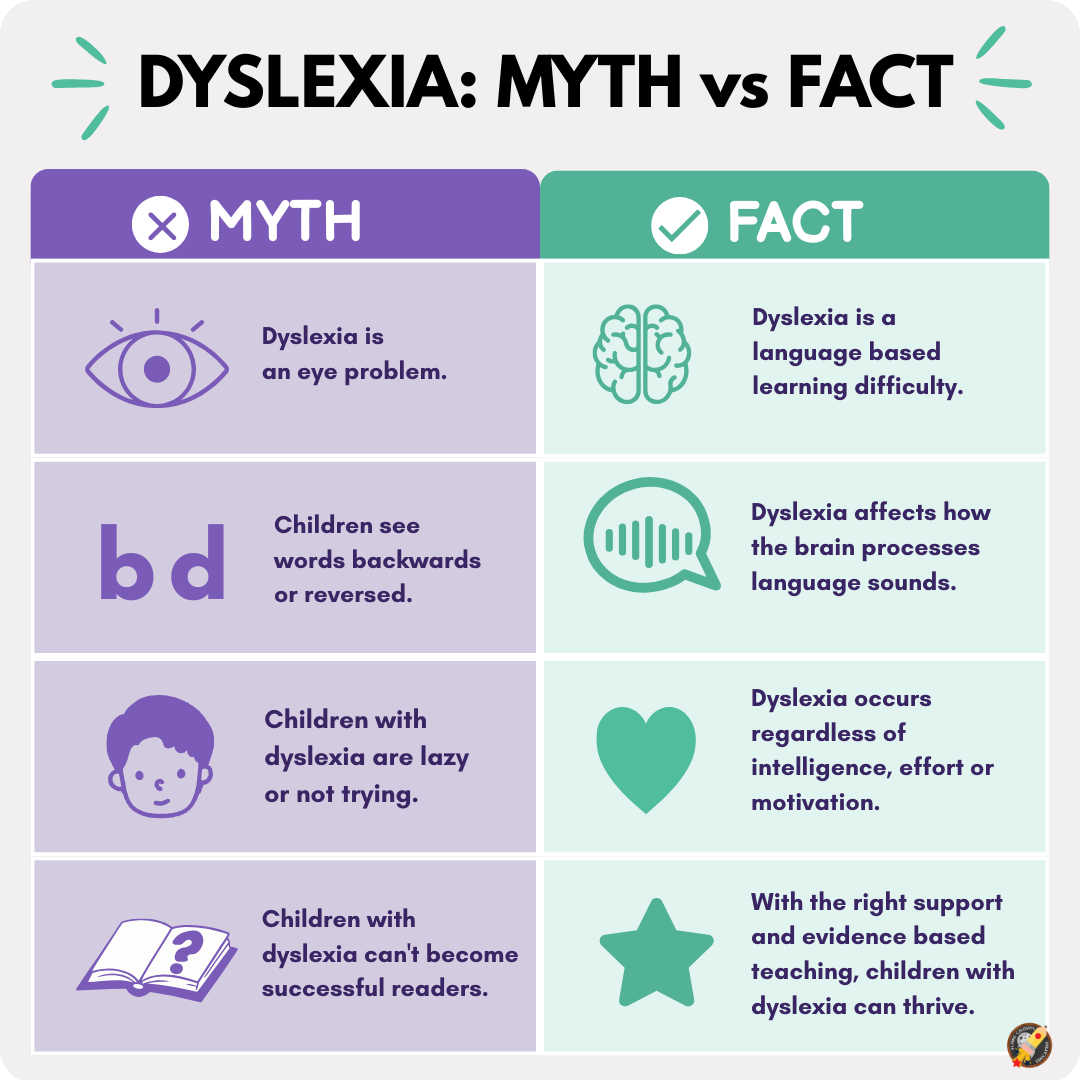
One of the most common misconceptions about dyslexia is that it is caused by vision problems or that children “see letters backwards.”
Current research tells us that dyslexia is not a problem with eyesight. Instead, dyslexia is a language-based learning difficulty that affects how the brain processes and stores the sounds within spoken language.
While some children with dyslexia may occasionally reverse letters when learning to write, letter reversals are not the cause of dyslexia and are also common in many young children who are learning to read and write.
Dyslexia is best understood as a difference in the way the brain processes language, particularly the sounds that make up words.
Our programs are carefully structured using current educational research around:
Common Signs of Dyslexia
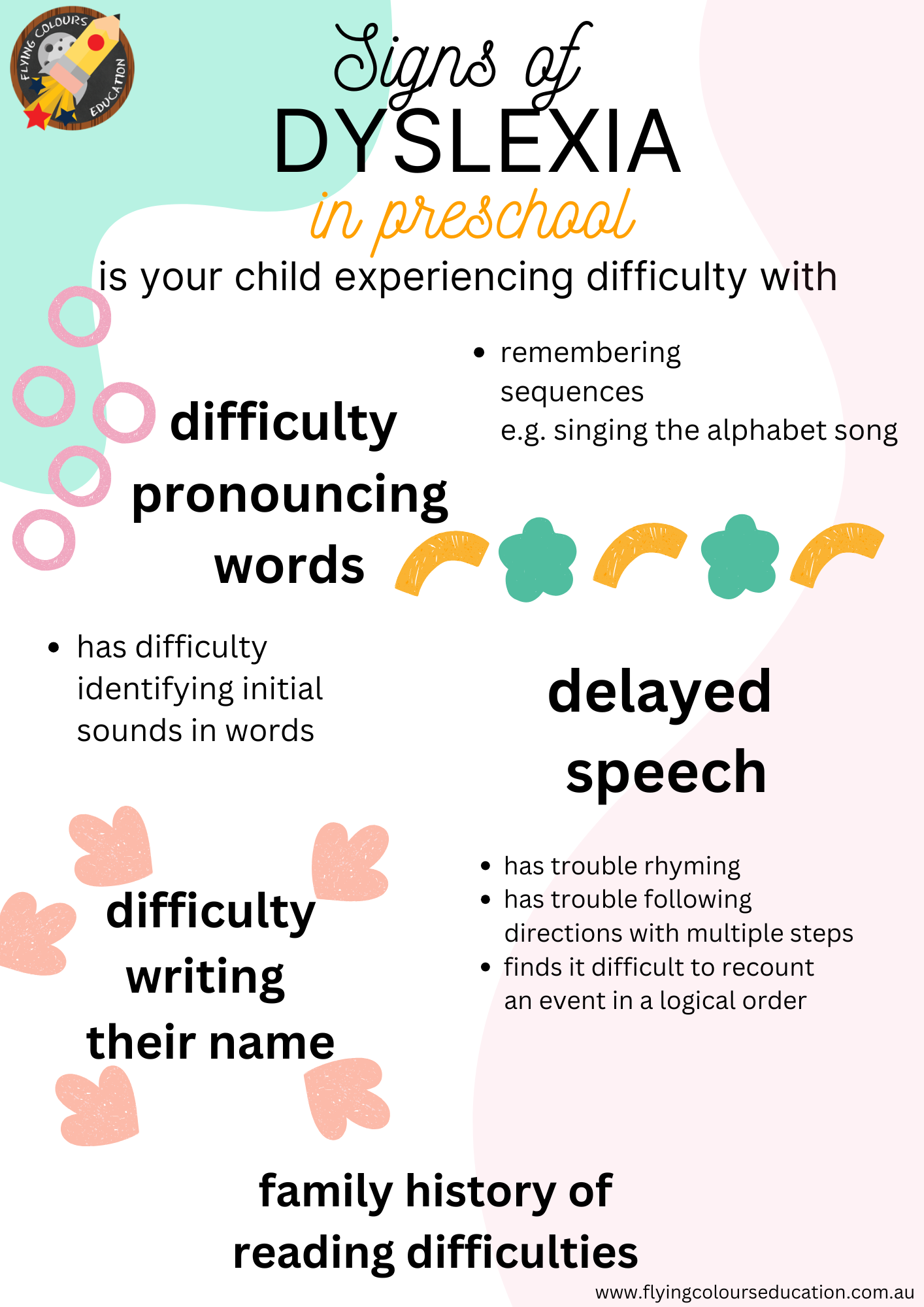
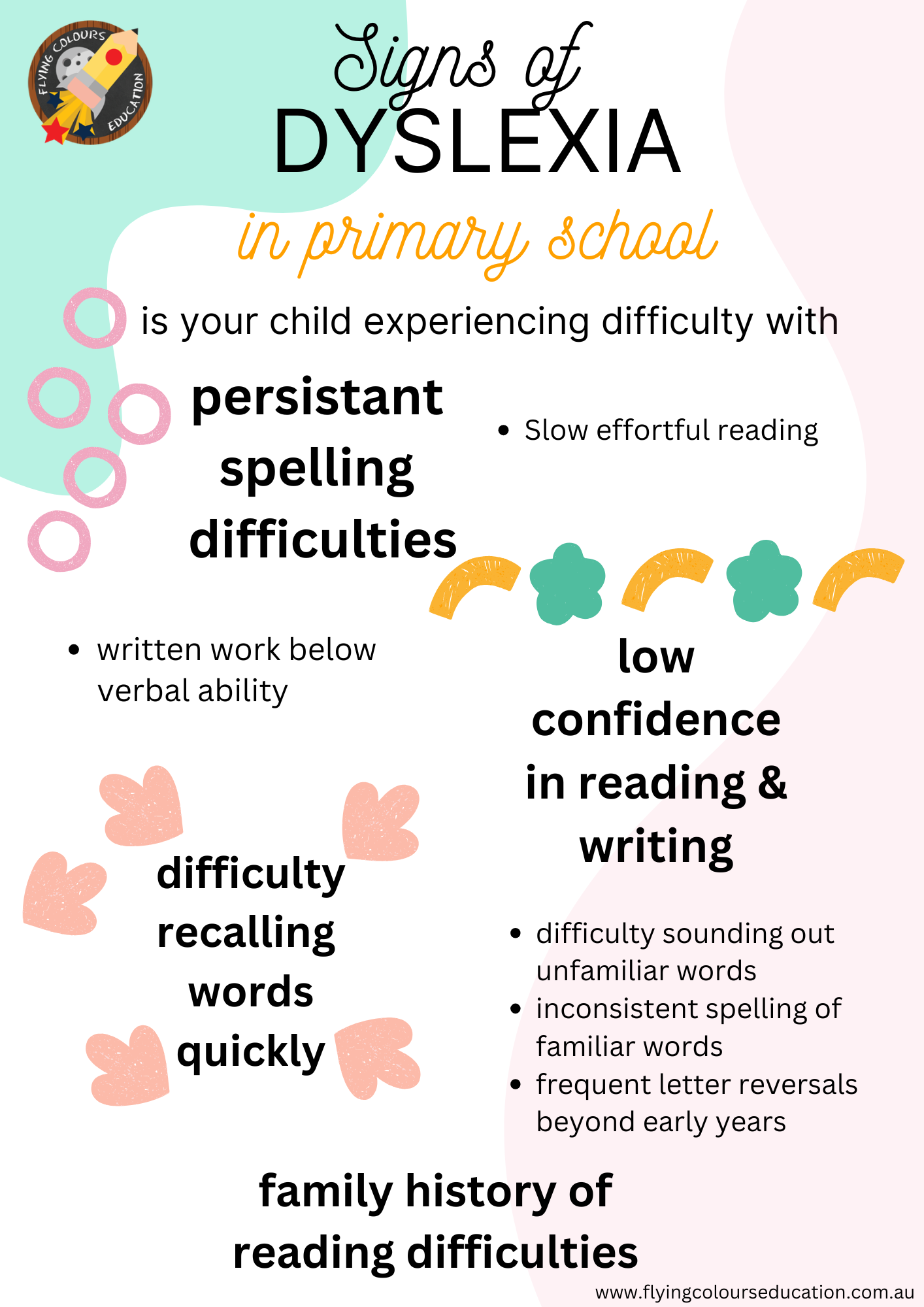
Dyslexia Looks Different for Every Child
No two children with dyslexia are exactly alike.
Some children experience mild difficulties that are identified early, while others may develop strategies that mask their challenges for many years. Some children struggle primarily with reading, while others may experience difficulties with spelling, writing, memory or organisation.
For this reason, professional assessment and ongoing observation are important when identifying and supporting learning difficulties.
Dyslexia Comes With Strengths Too
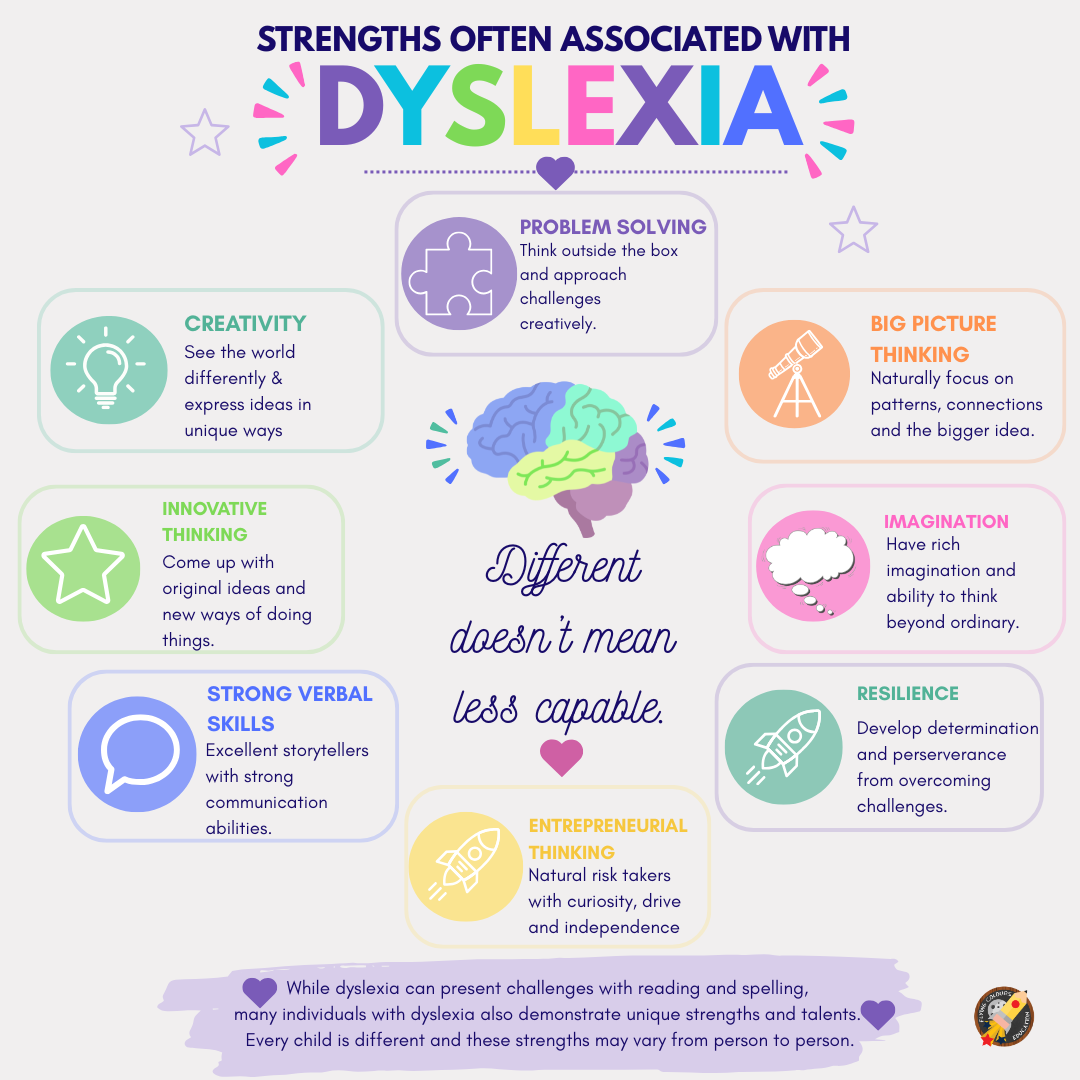
While dyslexia can present challenges with reading, spelling, writing and language processing, it does not define a child’s intelligence, potential or future success.
In fact, many children and adults with dyslexia develop unique strengths in areas such as creativity, problem solving, innovation, resilience and big-picture thinking. In fact, some of the world’s most successful entrepreneurs, inventors, artists and leaders have dyslexia.
Every child is different and not every child with dyslexia will demonstrate the same strengths. However, when children are supported to understand how they learn best and are provided with appropriate evidence-based intervention, they can develop confidence, build on their strengths and thrive both academically and personally.
At Flying Colours Education, we believe that dyslexia is just one part of a child’s learning profile. By recognising both the challenges and the strengths associated with dyslexia, we can help children develop the skills, confidence and self-belief needed to reach their full potential.